 EN
EN

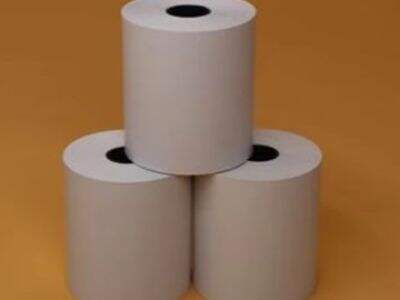
Thermal paper is a kind of special fine paper that will turn black when it meets heat. It’s a common technology for things like cash register receipts, labels and tickets. But have you ever wondered how thermal paper is produced and what makes it up? We’re going to dive in a little deeper into the world thermal paper substrate and coating science.
The role of thermal paper coating on print quality
The coating of the thermal paper is very important as it affects much on the quality of printing. This coating has a multilayer structure including an undercoat layer, a color-forming layer and a protective layer. The substrate may be composed of a combination of binders and fillers that help hold the paper together. The color-forming layer incorporates special chemicals known as leuco dyes, which respond to heat by changing the paper's color. The protective firm provides an additional layer of protection to keep your new notebook looking good over time.
The leuco dyes in the color–forming layer react and darken when exposed to heat, thereby forming the picture or text on the paper. The effectiveness of the print is determined by the evenness with which heat is distributed to the paper and how well the coatings form. If the latter is too thin or became applied in a non-uniform manner, prints may look washed out or be spotty. If there’s too much and it’s too thick, your print will smear or blur. The optimum balance is necessary to obtain the high quality thermal paper.
What are the materials for producing of thermal paper
The components employed in thermal paper have a considerable impact on the performance and stability of thermal paper. The base sheet of thermal paper applies in such a base layer is usually produced from a pulp known as thermal printer a4 is chemically treated to resist heat and curling or warping over time. The color forming layer has heat sensitive leuco dyes.
Those chemicals are to coat the color and protect the paper mediu from light, heat chemicals. Although BPA was commonly used in thermal paper coatings previously, its potential health risks are increasingly under scrutiny. Nowadays many manufacturers are switching to BPS or creating alternative BPA-free options instead to make their products safe the technology behind thermal paper coating and materials is an intriguing mix of science chemistry and engineering. Knowing what goes into the coating, and how it influences print quality, as well as which materials are involved in production, underscores the ingenuity of such a critical technology. So the next time you’re handed a receipt or ticket printed on thermal paper, give some thought to the science and materials that make it all work.
The scientific process and equation behind thermal paper, durability and longevity:
In relation to thermal paper, it depends on the coat and materials used in making a difference for more durable life span. The coating of thermal transfer paper consists of special chemicals that respond to heat, resulting in the images printed on it. This finish is fade-resistant so you can enjoy your prints for years to come. What’s more, the substances involved in thermal paper are all wear-resistant which ensures a longer shelf life and makes it an ideal choice for businesses looking to create long-term receipts and labels.
The technology of thermal paper however, also has much to do with the production process. The paper undergoing a process to coat with protective layer, durability which is waterproof and oil proof. This implies thermal paper works in withstanding different environmental factors, ensuring an effective solution for business in all areas. In conclusion, the unique finish and heavy duty components of thermal paper lend to its long life and dependability, which means it’s a wise choice for businesses investing in top-notch printing.
Why thermal paper is more eco-friendly than standard paper:
Environmental benefits which are produced by thermal paper also contribute to the attraction for its use over conventional paper. Unlike regular paper, thermal paper doesn't require ink or toner to print, which also means that it has a small carbon footprint for printing. This translates into less waste and fewer pollutants being generated by the production of thermal paper, which is far more sustainable for businesses wanting to minimize their environmental footprint.
Moreover thermal paper is also recyclable which adds to its environmental appeal. Stores can recycle used thermal paper for a reduction in the waste they send to landfills. By utilizing thermal label rolls as a print medium, companies will partake in making a greener world and supporting sustainability. Considering these environmental benefits, thermal paper is a sustainable choice for companies that wish to cut their carbon footprint and keep eco-friendly habits.
How to select the perfect thermal paper for my business:
When choosing thermal paper for your company, there are a few things to consider to make sure that you get the correct product for your particular situation. First, determine the type of printer you have and what sort of thermal paper it requires. Please ensure this type of paper is compatible with your printer. And then you can consider the dimension and thickness of the thermal paper. Select the size you need for your prints and your application, as well as a thickness appropriate to the intended use. If you want the most valued purchase to cover for heavy duty use and tough environments, go with some thicker paper since it is sturdy. Finally, think about how much thermal paper your business uses. 5, 000 or more rolls and save money now on thermal paper. You can get the most out of your print processes and your finished prints if you consider these things when selecting thermal paper for your business.
Table of Contents
- The role of thermal paper coating on print quality
- What are the materials for producing of thermal paper
- The scientific process and equation behind thermal paper, durability and longevity:
- Why thermal paper is more eco-friendly than standard paper:
- How to select the perfect thermal paper for my business: